

Good packing is the difference between “Where’s my stuff?” and “Wow, that was easy!” when you open your storage unit again.
Whether you’re storing things for a month or a year, these simple tips from Self-Storage Georgia in Tbilisi will help keep your belongings safe, clean and easy to find.
1. Use proper boxes and packing materials
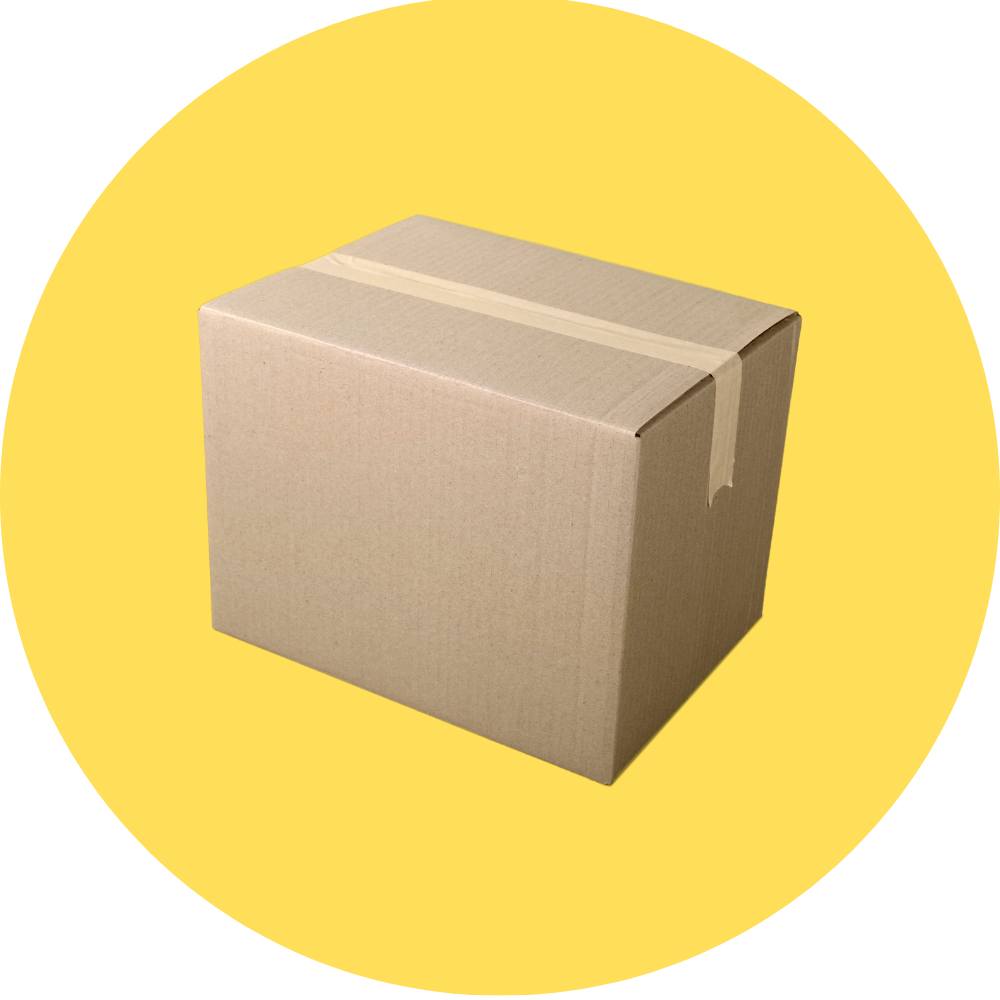
You don’t need anything fancy, but good-quality materials make a big difference:
- Sturdy boxes (all roughly the same size)
They stack neatly and are less likely to collapse. - Packing tape, not regular office tape
Stronger and sticks better. - Bubble wrap or soft wrapping
Use bubble wrap, towels or clothing to protect fragile items. - Stretch wrap
Great for keeping drawers closed and protecting fabric from dust. - Marker pens & labels
To label every box clearly on at least two sides.
Avoid over-using plastic bags – they don’t stack, can trap moisture and make it hard to see what’s inside.
2. Pack boxes correctly (and avoid “mystery boxes”)

A few simple rules:
- Heavy items at the bottom, lighter on top
Books at the bottom, pillows and bedding at the top. - Do not overfill boxes
If the lid bulges, it won’t stack well and might open. - Fill gaps
Use towels, clothing or paper to fill empty spaces so things don’t shift. - Label clearly
Write:- What’s inside (“Winter clothes”, “Kitchen – dishes & glasses”)
- The room it came from (“Bedroom”, “Office”)
- Whether it’s fragile (“FRAGILE – GLASSES”)
Your future self will thank you when you can actually find your favourite winter sweater.
3. Protect furniture properly

Furniture takes up space and money, so protect it well:
- Disassemble when possible
Remove table legs, take apart bed frames, remove shelves. Keep screws and small parts in a labelled bag taped to the main piece. - Cover surfaces
Use moving blankets, old sheets or plastic covers to protect from dust and scratches. Avoid using plastic directly on wooden furniture for very long periods; if you do, leave small gaps so it can “breathe”. - Store mattresses upright
Use a mattress cover or wrap, and store them on their side to save space. - Don’t stack heavy items on sofas or mattresses
They can get dented over time.
4. Take special care with fragile items

Breakables need a bit of extra love:
- Wrap each glass, mug and plate individually in paper or bubble wrap.
- Place plates vertically (like records) rather than flat in a stack.
- Put heavier fragile items at the bottom of the box, lighter ones on top.
- Clearly mark boxes with “Fragile” and arrows for “This way up”.
And remember: if the box rattles when you gently shake it, add more padding.
5. Electronics and appliances – avoid surprises
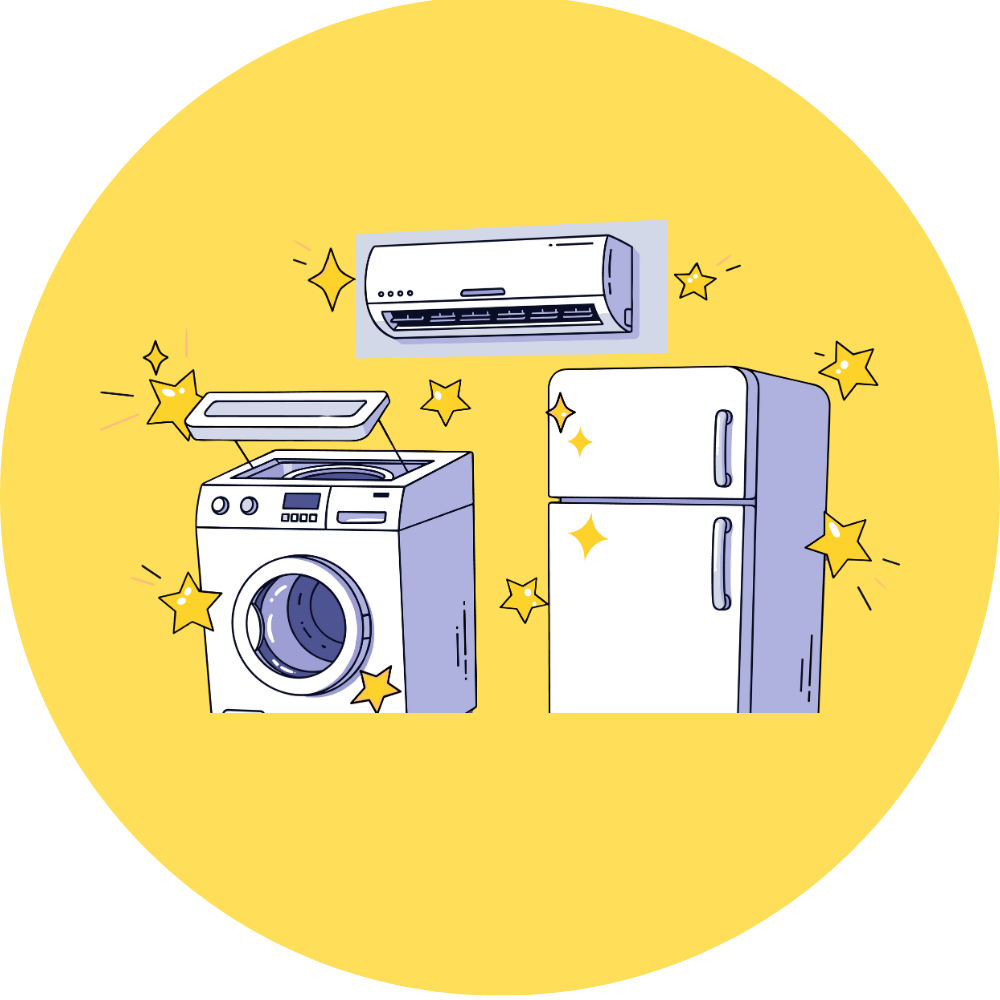
To keep electronics and appliances in good condition:
- Clean and dry
Defrost fridges and freezers, and ensure everything is completely dry to avoid mould. - Remove batteries
From remotes, toys and gadgets – batteries can leak over time. - Use original boxes if you still have them
They’re designed for that item. If not, use sturdy boxes with plenty of padding. - Keep doors slightly open
For fridges, freezers and washing machines, leave doors a little open so air can circulate.
6. Clothes, bedding and soft items
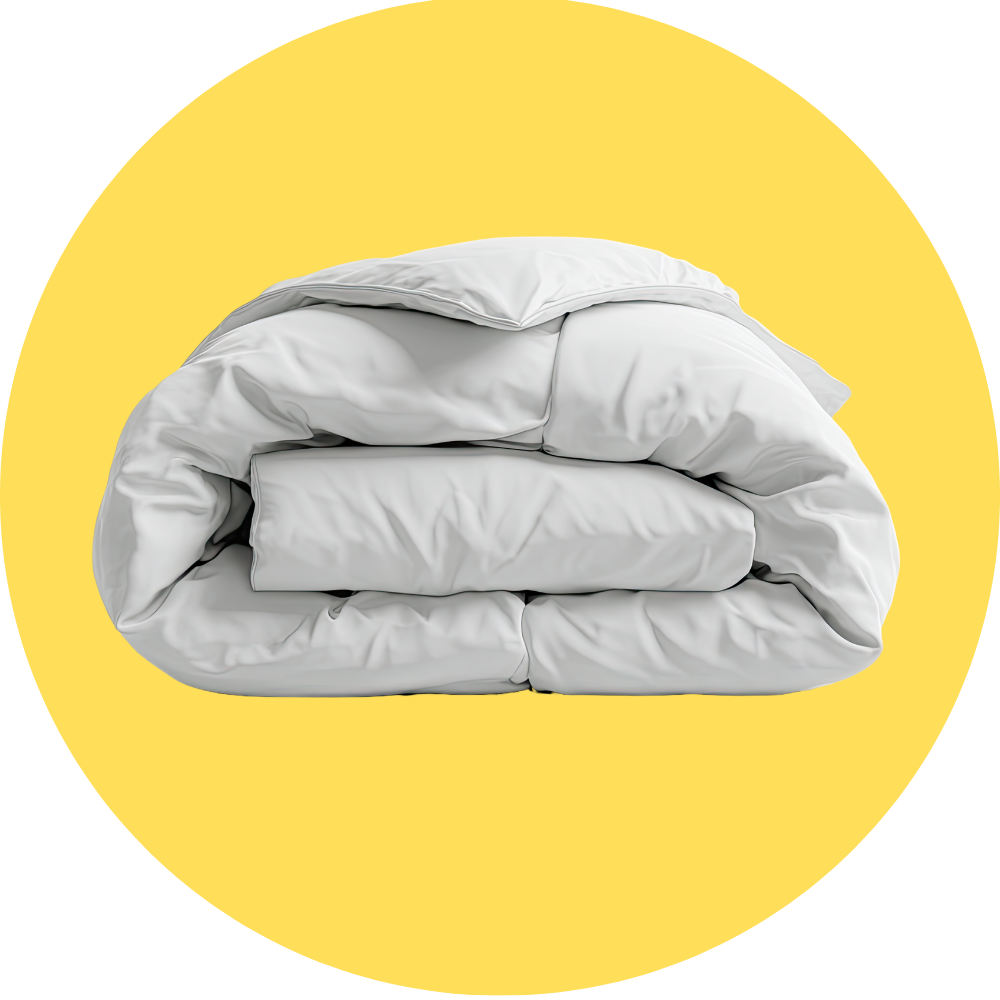
Soft items are easy to store, but they still need a bit of care:
- Use clean boxes or vacuum bags
Make sure clothes and bedding are completely dry and clean before packing. - Avoid long-term use of standard plastic bags
They don’t stack well and can trap moisture. - Label clearly
“Summer clothes”, “Winter jackets”, “Extra bedding”, etc., so you can grab the right box when the season changes.
7. Tools, equipment and vehicles

If you’re storing tools, equipment or a vehicle in a larger unit:
- Clean and dry items to avoid rust or smells.
- Drain fuel from lawnmowers or similar equipment if storing long term.
- For vehicles:
- Check local rules and your agreement regarding stored vehicles.
- Make sure the vehicle is clean and doesn’t leak fluids.
- Consider a cover to protect from dust.
If you’re not sure whether something can go into storage, just ask the team at Self-Storage Georgia first.
8. Create a simple inventory
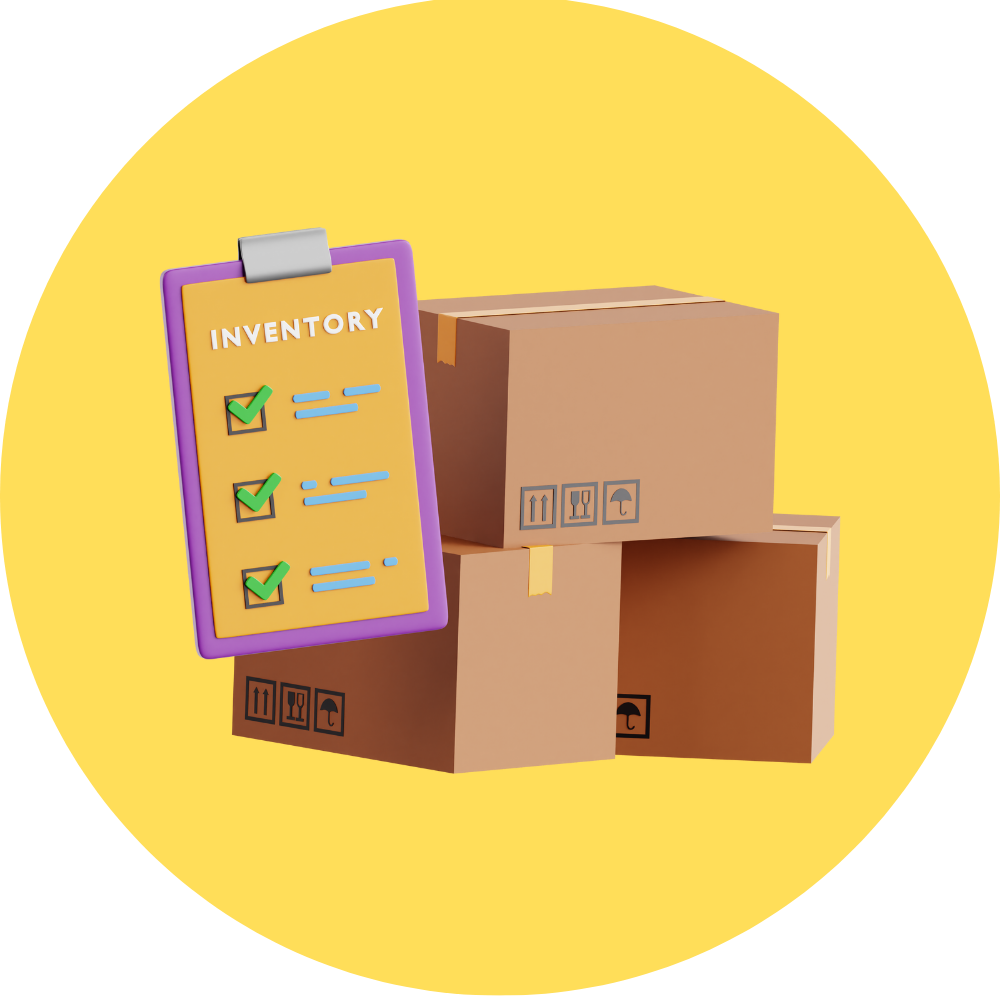
You don’t need a complicated system. A simple list works:
- Number your boxes (Box 1, Box 2, Box 3…)
- On a piece of paper or in your phone notes, write:
- Box 1 – Kitchen: pots, pans, spices
- Box 2 – Bedroom: winter clothes
- Box 3 – Office: documents, chargers, stationery
This is especially helpful for business customers keeping stock or files in storage.
9. Pack your unit with a “front and back”
When you move into your unit at Self-Storage Georgia:
- Put heavy items and furniture at the back and along the sides.
- Create a small aisle down the middle if the unit is big enough.
- Keep frequently used items at the front:
- Seasonal clothes
- Sports gear
- Business stock or documents you need often
Think of the unit as a mini room – not just a box to throw things into.
✅Quick packing checklist

Before you close and lock your unit, ask yourself:
- Are all boxes properly taped and labelled?
- Are fragile items well protected?
- Is furniture covered and safe from scratches?
- Are the things I’ll need first at the front?
- Is the unit locked securely?
If the answer is “yes” to all of those, you’re in great shape.
Need help planning your storage?

You don’t have to figure it all out alone.
The team at Self-Storage Georgia can help you:
- Choose the right unit size
- Decide how to pack and stack
- Work out whether you need a smaller or larger unit
📍 Location:
City of Tbilisi, Levan Devdariani VI Lane, N 16
Samgori district, near the airport
📞 Call or WhatsApp: +995 575 77 85 13
📧 Email: sales@selfstoragegeorgia.com
Store smart, pack carefully, and your belongings will be waiting for you just as you left them when you unlock your unit again.